Family photos sometimes reveal more than eye color. Stand next to your parent or grandparent in shorts and you may spot the same fine red, blue, or purple threads at the ankles and outer thighs. That repeating pattern is not a coincidence. Spider veins often run in families, and understanding how inheritance shapes risk can help you make smarter choices about prevention and treatment, including when to treat spider veins, how seasonal timing affects results, and why new veins can appear even after a good outcome.
What spider veins really are
Spider veins, also called telangiectasias, are small dilated veins within the skin. They most often appear on the legs and face, including the nose and cheeks. On the legs, common locations include the outer thighs, back of the knees, and ankles. On the face, thin skin and sun exposure make superficial vessels more visible. They differ from varicose veins in size and depth. Varicose veins bulge, twist, and sit deeper, often causing heaviness, aching, or swelling by day’s end. Spider veins are flatter and finer, and while they can sting or itch, many people notice them primarily for cosmetic reasons. That difference between spider veins and varicose veins matters for both diagnosis and insurance coverage, since medical necessity is judged by symptoms and underlying disease, not appearance alone.
The genetic blueprint inside your vessel walls
When patients ask how genetics affect spider veins, I start with the biology. Veins rely on three things to stay healthy: sturdy connective tissue in the vessel wall, competent one‑way valves that prevent reverse flow, and a well functioning microcirculation that tolerates pressure shifts. Genes influence all three.
Some families inherit weaker collagen or elastin fibers in the vein wall. Over time, standing pressure and hormonal shifts stretch these vessels, and once a vein is dilated, it tends to stay that way. Others have a tendency toward valve laxity or subtle clotting and inflammatory differences that starve the vessel wall of support. The result is the same in the mirror, but the underlying reasons vary.
You do not inherit a single spider vein gene. Think of it as a polygenic tendency shaped by dozens of small variants, plus hormonally driven changes and lifestyle. That explains why siblings raised in the same home can diverge. The brother who became a chef on his feet for 10 hours daily may develop clusters on his calves by his mid‑30s, while the sister who works a desk job and runs regularly notices mostly facial veins related to thin skin and sun exposure.
Family patterns I see in clinic
I often hear, “My mother had them by 30, am I next?” Not always, but the odds shift. If one parent has prominent spider or varicose veins, your personal risk is higher than population average. If both parents are affected, the risk rises further. In my practice, people with that history tend to present earlier, and sometimes with veins at the ankles first. Ankle spider veins can reflect more pressure at the distal leg or connections to small feeders from deeper networks. That is one reason a careful exam matters before you jump to treatment.
One edge case worth noting is the athletic 20‑something with very visible thigh or under eye veins and no family history. In thin, fair skin, even normal veins can show through. Here, genetics still matter, but the visible pattern is more about skin thickness and pigment than vein disease. Those differences drive treatment choices, which I will cover shortly.
Hormones: the amplifier you cannot ignore
Genetics loads the gun, hormones pull the trigger. Estrogen and progesterone relax vein walls and influence fluid retention. This is why pregnancy and hormonal contraception can spotlight a predisposition. During pregnancy, leg vein volume increases, pelvic pressure rises, and valves are stressed. Many women report a bloom of new spider veins by the third trimester and in the months after delivery. Some fade as hormone levels normalize, but many persist.
Menopause shifts the picture. As collagen content declines with age, vessel walls lose elasticity. Menopause and spider veins often travel together, and the treatment plan must account for slower tissue recovery and skin changes. Men develop spider veins too, typically later and often clustered around the ankles or on the nose after years of sun and outdoor work. The biology is shared, but the timing differs.
Lifestyle is the hand on the dimmer switch
Genetic risk does not fix your future. Daily choices can dial risk up or down. Long hours standing, especially motionless, raise venous pressure. So do long stretches of sitting, which kink the hip veins and slow return flow. Weight affects spider veins indirectly by increasing leg pressure and inflammation. Smoking damages microvessels and collagen. Sun exposure accelerates breakdown of facial skin, making cheek and nose veins more obvious. Even dehydration plays a role, thickening blood and stressing small vessels on hot days.
On the flip side, regular walking or calf‑loading activity acts like a second heart for the legs, pushing blood upward. Hydration keeps blood less viscous. Modest salt control limits ankle swelling. Compression socks help some people, especially on travel days or long shifts. They do not erase existing spider veins, but they blunt daily pressure swings that fuel new ones.
Are spider veins a sign of poor circulation or deeper disease?
Most spider veins are not a sign of poor arterial circulation. They live on the venous side and reflect local dilation. That said, clusters around the ankle or a fan of veins feeding from a blue reticular vein can be a surface tip of deeper reflux. When spider veins indicate deeper vein problems, other clues are usually present, like leg heaviness, evening swelling, restless discomfort, or a history of varicose veins. Screening for underlying vein disease with a focused exam and, when indicated, a duplex ultrasound helps avoid the mistake of treating the paint while ignoring the leak behind the wall. If reflux in a feeder vein exists, addressing it first reduces recurrence.
Can spider veins be prevented naturally?
You cannot rewrite your DNA, but you can limit its expression. I coach high‑risk patients to treat their veins like a training plan. Short movement breaks every 45 to 60 minutes, brisk walks after long meetings or flights, and simple heel raises while brushing teeth go further than most people expect. Keep weight within a healthy range. Protect your face with sunscreen and a hat to reduce future cheek and nose veins. For the legs, compression socks are most useful on high‑pressure days like long flights, pregnancy, or 12 hour shifts.
Diet helps at the margins. Hydration and vein health have a clear connection, particularly in hot weather. A pattern rich in colorful fruits and vegetables supplies flavonoids that may support microvessels. Citrus, berries, and leafy greens are easy wins. Some patients ask about supplements for vein strength. The research on horse chestnut and diosmin shows modest benefit for symptoms like swelling and heaviness, more for varicose vein discomfort than for visible spider veins. They do not replace a good exam or targeted treatment.
When treatment makes sense
People pursue treatment for different reasons. Some want to wear shorts without distraction. Others have itching clusters at the ankle or a burning sting after a long run. The best time to get spider vein treatment is when you are healthy, able to walk after sessions, and can commit to compression and sun protection during healing. Seasonal timing for vein treatments matters because sun and heat influence bruising and pigmentation. Many clinics stay busiest from late fall to early spring. Is winter better for vein removal? It is often easier then because legs stay covered, tanning is minimal, and post‑treatment color settles with less risk of sun‑induced darkening. You can treat spider veins in summer, but you must be more disciplined about sun avoidance, SPF use, and heat exposure in the first two to four weeks.
Sun exposure affects vein treatments by increasing the risk of post‑inflammatory hyperpigmentation. Tanning can impact spider vein treatment results, making veins look less visible before treatment then more obvious after as the tan fades unevenly. If you plan facial laser or leg sclerotherapy, pause tanning beforehand and use broad spectrum SPF after.
What spider vein treatment involves
Two main tools address spider veins: sclerotherapy and light or laser. Sclerotherapy is the workhorse for leg veins. A specialist injects a solution into the vein, irritating the inner lining so the vessel collapses and seals. Over weeks, the body reabsorbs that sealed thread. The process does not affect arterial circulation. For facial veins, especially around the nose and cheeks, laser or intense pulsed light are favored because the targeted light can close tiny vessels without needles.
Here is what happens during a typical sclerotherapy session in my clinic.
- Mapping: I examine you standing, mark clusters and feeder veins, and decide whether to use liquid or foam sclerotherapy. Foam vs liquid sclerotherapy is a judgment call. Foam displaces blood and works well for slightly larger blue reticular veins. Micro sclerotherapy refers to very fine needles and dilute solutions for tiny red threads. Preparation: You arrive with clean skin. You may shave the treatment area the night before if desired, but it is not mandatory. We avoid heavy lotions that day. Certain medications are fine to continue, but I ask patients to skip high dose anti inflammatories the morning of treatment unless prescribed, and to avoid alcohol the day prior to limit bruising. Treatment: Using magnification and good lighting, I place tiny injections into the target veins. Most feel like a brief pinch. I mix sclerosants at low concentrations that balance efficacy with safety. A single session usually takes 20 to 40 minutes depending on how many areas we address. Compression and walking: Right after, we apply compression stockings and you walk for 10 to 20 minutes. This reduces clotting risk and helps the vein walls stick together. Aftercare: You wear compression 24 hours straight, then daytime for 5 to 7 days. Avoid sun, hot tubs, and heavy leg workouts for about one week. Light walking is encouraged.
Patients often ask, does spider vein treatment hurt? Most rate sclerotherapy as a 2 to 4 out of 10. Laser on the face feels like a hot rubber band snap. For those anxious about needles, numbing options for spider vein removal include topical anesthetic for sensitive spots, cooling sprays for facial laser, and slow, steady technique. Anxiety can affect the experience more than the procedure itself, so a calm room, unhurried pacing, and clear expectations matter.
How long is a vein treatment session depends on the number of veins. Small areas can be done in under 20 minutes. Larger networks take longer and often need staged visits. Do you need multiple vein treatment sessions? Expect 2 to 4 for widespread leg spider veins, spaced 4 to 6 weeks apart. The step by step spider vein treatment process repeats, gradually clearing layers. The first visit sets the tone. At your first vein consultation, I review history, medications, pregnancies, sun habits, and any symptoms that suggest deeper issues. If ankle clusters or symptoms raise suspicion, we schedule an ultrasound to map reflux. How doctors map veins before treatment blends bedside observation with imaging when needed.
Results, downtime, and the part no one warns you about
After sclerotherapy, bruising and mild swelling are common for 1 to 2 weeks. Brownish tracks can appear where blood is trapped in closed veins. This fades over weeks to months, and we can speed it by releasing tiny pockets if needed. How long swelling lasts after vein treatment is usually measured in days, not weeks, unless heat or sun are overdone early on. You can shower after vein treatment within 24 hours, lukewarm and gentle. Sleep positions after spider vein treatment are flexible. Choose comfort, keep the legs slightly elevated if they feel full. You can exercise after vein treatment with light walking right away and low impact cardio after 2 to 3 days. Avoid heavy squats, deadlifts, or hot yoga for about a week.
Most people return to work within a day. Office jobs, same day or next morning. For jobs with prolonged standing, wear compression and take short walking breaks. Downtime after laser vein treatment on the face is also modest. Expect redness for a day or two and possible small crusts where vessels were dense.
Why spider veins come back and what maintenance looks like
A successful session clears the treated veins. It does not change your genes or stop new veins from forming. Can new spider veins form after removal? Yes, at a slow drip. Think of treatment as resetting the clock on what you see today, then managing your predisposition going forward. How often you should treat spider veins depends on your biology and habits. Many patients do a focused series, then a maintenance visit every 12 to 24 months to tidy up new sprouters.
A basic maintenance plan after spider vein treatment includes sustained movement in your workday, compression for travel or long shifts, sun protection for the face, and mindful training loads if you lift heavy. I also emphasize hydration, a plant forward diet, and moderating alcohol, which can dilate vessels and make facial veins more prominent temporarily.
Special cases: face, nose, under eye, and sensitive skin
Spider veins on face vs legs require different tools. On the legs, sclerotherapy dominates. On the nose and cheeks, light based treatments usually win, because the vessels are tiny and superficial. Treating spider veins on nose is satisfying, but you must avoid sun before and after, and you may need 2 to 3 sessions for dense networks. Under eye visible veins are tricky. The skin is thin and bruises easily. Some cases respond to a very gentle laser or a carefully selected filler to camouflage, but not every visible vein there is a candidate. A seasoned specialist will tell you when to treat and when to leave it alone.
Skin type matters. Laser vein treatment for sensitive skin can be adjusted with cooling, pulse duration, and fluence. Sclerotherapy for darker skin tones is safe in experienced hands, but pigment changes from bruising can last longer. Best treatments for fair skin veins often combine sclerotherapy for blue feeders with a surface laser pass for tiny red threads. None of these decisions is one size fits all.

Men and spider vein treatment
Can men get spider vein treatment? Of course. Why men develop spider veins mirrors women, minus the pregnancy factors. Genetics, standing work, weight, and sun. Treatment differences for men vs women are minor. Men often have coarser leg hair and thicker skin, which helps hide mild bruising, but they also present later with more pressure at the ankle. I push compression a bit harder with male patients who work on concrete floors or in hot environments.
Myths, mistakes, and what actually helps
I still hear that massage can reduce spider veins. Massage can feel good and move lymphatic fluid, but it does not collapse dilated vessels. Do ice or heat help spider veins? Ice can calm post‑treatment inflammation for comfort. Heat enlarges vessels and can worsen stinging temporarily. At home tools for spider veins, like topical creams, may reduce redness on the face by constricting vessels for a few hours, but they do not erase the actual veins.
The most common mistakes after vein removal involve sun, heat, and overtraining too soon. Those choices prolong bruising and increase the chance of pigmentation. Why cheap vein treatments fail often comes down to skipping a proper evaluation for feeder veins, using suboptimal solutions or settings, and rushing sessions without a plan. How to choose a qualified vein specialist is straightforward: look for a clinician who treats veins as a core practice, performs both sclerotherapy and laser so you are not funneled into one method, and is comfortable saying no when an area is not a good candidate.
Timing, combo treatments, and clinic tech
People often ask, can you do Botox and vein treatment together? Yes, but separate face laser and injections by at least a few days to limit swelling overlap. Combining spider vein treatment with other procedures is common. I often stage facial laser with skin rejuvenation, spacing sessions 2 to 4 weeks apart. On the legs, I prefer to finish sclerotherapy before energy based hair removal in the same area.
Modern vein clinics rely on clear visualization. Good lighting, polarized lenses, and transillumination help find feeders. Technology used in modern vein clinics has improved safety. Foam is mixed with precision, lasers are more selective, and cooling is better, which lowers the pain level of laser vs sclerotherapy for many patients. How vein lasers work scientifically is elegant. Hemoglobin absorbs specific wavelengths, converting light to heat that denatures vessel proteins and seals the channel, all while sparing surrounding skin when parameters are tuned correctly.
The medical side: when insurance enters the chat
Cosmetic vs medical reasons for vein treatment are not the same in the eyes of insurers. Medical necessity for spider vein removal is rare unless there is bleeding, ulceration risk, or clear underlying reflux tied to symptoms. Insurance vs cosmetic vein procedures diverge here. Expect leg spider vein treatment to be self pay. Varicose vein treatment tied to documented reflux and symptoms may be covered after a trial of compression and conservative care. Be wary of clinics that promise coverage for purely cosmetic spider veins. It usually ends in frustration.
A practical mini checklist for those with a strong family history
- Walk daily, and break up long standing or sitting with calf raises or short laps. Wear compression socks during flights, long shifts, pregnancy, or when ankles tend to swell. Use broad spectrum SPF on the face, and avoid tanning before and after treatments. Hydrate, favor colorful produce, and moderate alcohol and salt, especially in hot weather. Schedule a consult early if ankle clusters, itching, or evening heaviness develops.
What to expect if you are ready to treat
People ask what to wear to a vein treatment appointment. Comfortable shorts or loose pants that can roll above mid thigh help. Bring your compression stockings if you already have them. How to prepare for spider vein treatment includes skipping heavy moisturizers that day, arranging a short walk afterward, and knowing what to avoid before sclerotherapy. That list is simple: avoid tanning, high dose anti inflammatories unless prescribed, and intense leg workouts right before. Can you take medications before vein treatment? Most routine meds are fine. Blood thinners change the strategy and require a plan with your prescribing clinician.
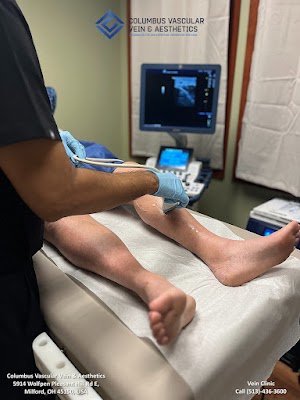
Aftercare tips for spider vein treatment are not glamorous, but they work. Wear compression as directed, walk daily, avoid sun and heat for a week, and expect bruises that look worse before they look better. What not to do after sclerotherapy includes hot tubs, saunas, and heavy leg days too soon. If you see small brown tracks, do not scrub. We can hasten clearance with simple in office maneuvers. How to speed up recovery after sclerotherapy boils down to gentle movement, compression, sun avoidance, and patience. Most people see meaningful clearing within 6 to 12 weeks.
Pulling the threads together
Genetics sets your baseline, shaping vessel wall strength, valve competence, and how you react to hormonal swings. Lifestyle and environment decide how quickly your predisposition surfaces. Spider veins are not a moral failing or a sign of poor arterial circulation. They are a common, inherited trait that modern techniques can manage well. If you have a strong family history, plan for prevention the way you plan for your teeth or back. If you already see clusters you dislike, a careful exam and a staged approach clear them efficiently.
One last point that patients appreciate. Can spider veins disappear without treatment? Some pregnancy related veins soften after hormones normalize, and a few tiny facial threads fade after strict sun care. Most leg spider veins persist. When should you treat spider veins? Treat when you are ready to protect your results, when sun exposure can Milford OH spider veins treatment cvva.care be controlled, and when you have a clinician you trust. Genetics may hand you the outline, but you still decide how the picture looks over time.